About the group
Number of smallholders: 27 (24 Men, 3 Women)
Total Land Area: 450 Ha
Status: Certified
Preserved Area: 23.75 Ha
Group location: Granda Centeno Oe 4-225 y Baron de Caondelet, Quito, Pichincha, Ecuador
Country: Ecuador
On-going Facilitator:
SUSTAINABILITY JOURNEY STORY
From the Amazon region of Ecuador, a collective of palm oil entrepreneurs is reshaping their lives and their community, elevating the palm oil cultivation market in their country to new heights. Their primary goal is to embrace a sustainable approach to palm oil production and achieve RSPO certification.
This narrative unfolds from a dream that originated decades ago, during the early 2000s when Ecuador grappled with one of its most severe economic downturns. During this period, a group of local smallholders who cultivated maize, coffee, and rice discovered an avenue for employment in oil palm cultivation that empowered them to support their families. Thus began a saga that spans over two decades and continues to flourish, now with the added challenge of operating under a comprehensive sustainability framework promoted by their RSPO membership, a status they have held for the past three years. In 2021, this group of smallholders made a significant qualitative leap in their organisational journey by establishing the “Amazonian Association of Sustainable Oil Palm Producers.” This association was formally constituted based on their collaborative efforts with ANCUPA, the national association of oil palm growers in Ecuador. ANCUPA aims to represent all individuals and businesses engaged in oil palm cultivation across the country.
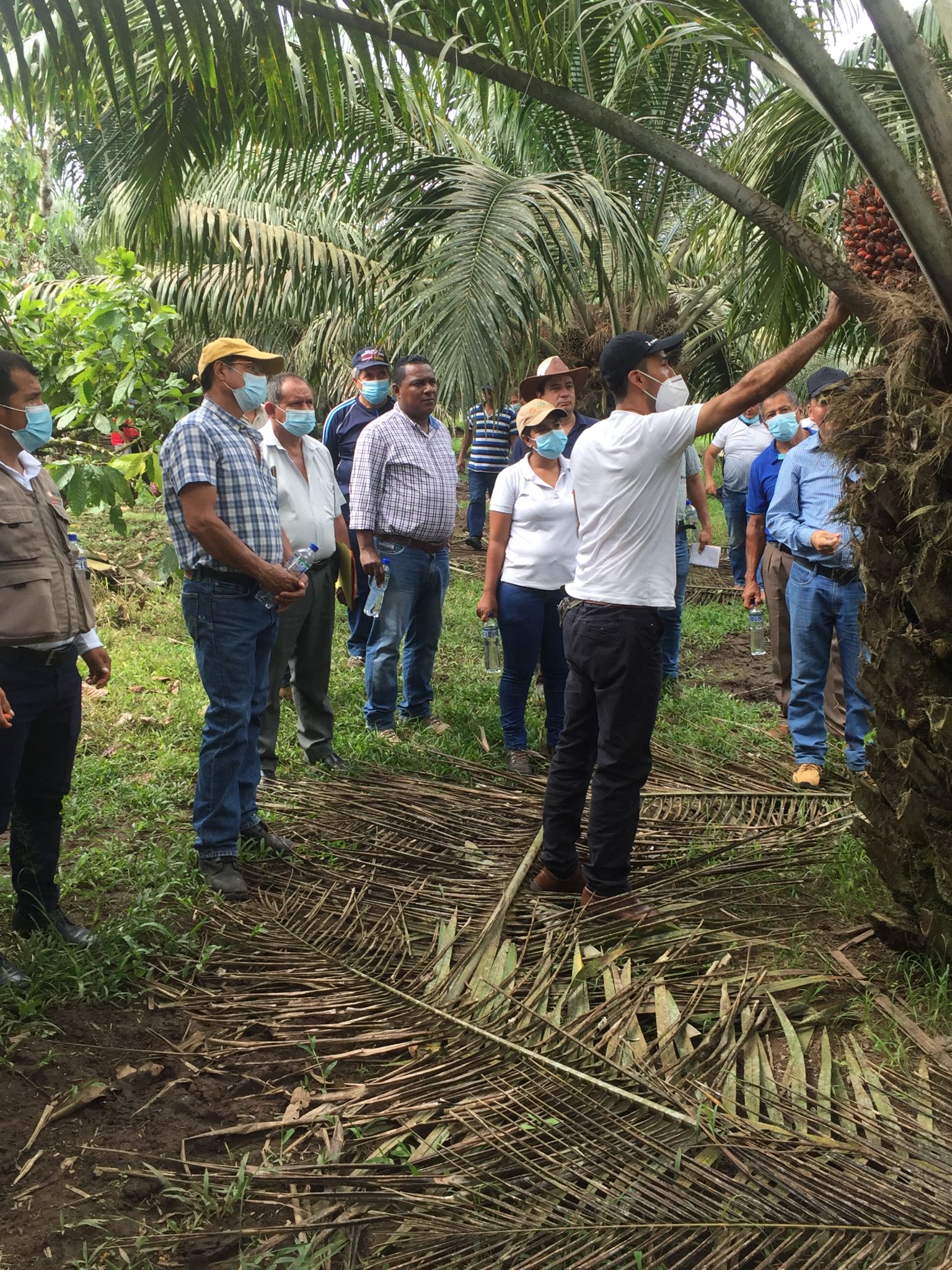
This journey towards sustainable palm oil production began in 2021 with membership in RSPO and collaborative efforts with ANCUPA. Since then, they have worked diligently to bring about significant changes in both their plantations and their community. Luis Ruiz, a palm oil entrepreneur from the Amazonian Association of Palm Growers, shares insights into their progress: “We began by formalising our workforce, followed by training sessions focusing on environmental aspects, such as the proper use of fertilisers and insecticides. We conducted workshops on the use of personal protective equipment. Many practices have been revamped; for instance, our plantation now bears a name, and waste management has been organised with the introduction of a bio-bed system featuring triple container washing. We have implemented internal regulations for on-farm operations and provide training to new employees. Another crucial aspect has been administrative, encompassing account organisation and meticulous record-keeping of income and expenses. In this regard, women play a pivotal role in carrying out these tasks.”
This group has identified a direct correlation between a sustainable approach and productivity. Luis emphasises, “Environmental, social, and administrative aspects are intertwined. We must be socially and environmentally responsible, protecting employees and society and ensuring profitability. It’s about finding a balance between economic growth, environmental conservation, and social well-being for the entire community.”
However, engaging all producers in this sustainability approach proved challenging, as with any cultural shift; changes are gradual and often met with resistance. José Roberto, responsible for the entire process of modernisation and training, remarks: “There was some initial reluctance, particularly regarding the perception among producers that they would bear additional financial burdens, such as increased taxes. This necessitated a cultural shift, and at times, they felt overwhelmed by the volume of information and the changes required.” Nevertheless, they managed to unite 27 producers to embark on a different narrative about the palm oil market in Ecuador—a story of sustainability, environmental stewardship, and leaving a better world for future generations.
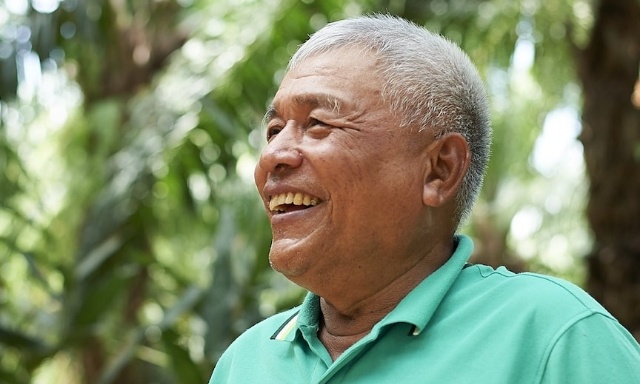
"Environmental, social, and administrative aspects are intertwined. We must be socially and environmentally responsible, protecting employees and society and ensuring profitability. It's about finding a balance between economic growth, environmental conservation, and social well-being for the entire community."
- Luis Ruiz, a smallholder member of Palmeros Amazónicos
Project Impact
Total area covered by the project
450 Ha
Number of smallholders benefitting from this project
27 Smallholders
Number/percentage of women supported by this project
11.11% women in this project
How you can support
To ensure the ongoing expansion and solidification of this project, support from international organisations or private entities is crucial in the following areas:
- Financial assistance to cover certification expenses, ensuring accessibility for all producers.
- Economic resources for comprehensive support, including social and technical assistance and the provision of personal protective equipment.
- Provision of training sessions emphasising the importance of forming certifiable groups, the benefits of certification, and sustainable practices.
GROUP CONTACT
Representative Contact
Jose Roberto Vargas | Group Manager | [email protected] |
IMAGE GALLERY