Dashboard: Labour and Human Rights
Sed ut perspiciatis unde omnis iste natus error sit voluptatem accusantium doloremque laudantium, totam rem aperiam, eaque ipsa quae ab illo inventore veritatis et quasi architecto beatae vitae dicta sunt explicabo. Nemo enim ipsam voluptatem quia voluptas sit aspernatur aut odit aut fugit, sed quia consequuntur magni dolores.
For a complete guide on navigating and utilising all features, refer to the User Manual.
Protecting Life Beyond the Trees in the Palm Oil Sector
This aligns with RSPO’s intended long-term outcome (ToC L6), which envisions sustainable ecosystem management implemented to achieve no deforestation and promote restoration of environmental value, which encompasses not just trees, but the full web of life they support.
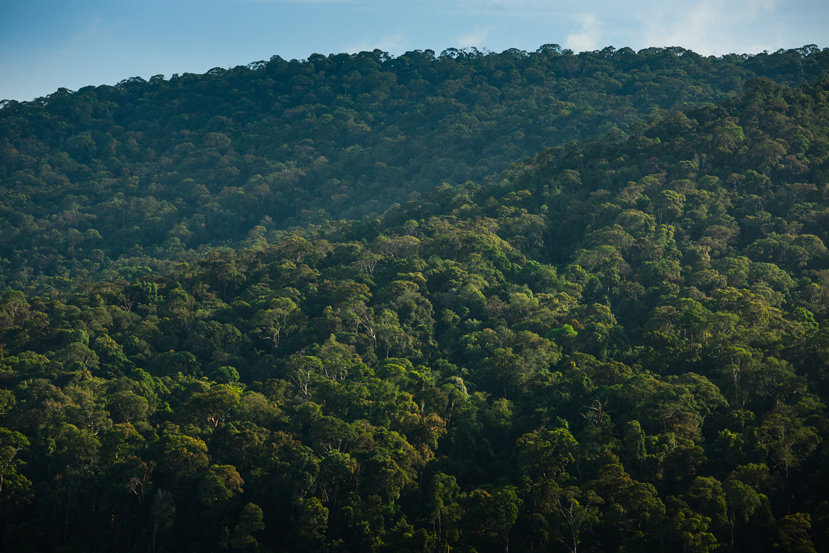
Biodiversity, the variety of life that inhabits our ecosystems, is closely tied to the health of the tropical landscapes in which oil palm is cultivated. Rainforests in Southeast Asia, West and Central Africa, Latin America, and Papua New Guinea are among the most biodiverse places on Earth. They are home to endangered species such as orangutans, Sumatran tigers, pygmy elephants and countless endemic plants, insects and aquatic life.
These ecosystems depend on intact forest covers to function. As oil palm expansion has historically driven deforestation, it has simultaneously threatened the species and ecological processes that forests sustain. For more on how RSPO addresses forest loss as a driver of biodiversity decline, see our Forest page. While habitat loss remains the most direct threat, biodiversity is also affected by how the land within and around plantations is managed including chemical use, water management, waste management, soil health, and the treatment of areas that sit between production zones and natural habitats. Even where forests remain standing, poorly managed adjacent agriculture can fragment ecosystems, disrupt wildlife corridors, and degrade the quality of remaining habitats.
Equally, the communities living closest to these landscapes are among their most important stewards. For more on how RSPO works with local and Indigenous communities to safeguard both livelihoods and the natural environments they depend on, see our Community page.
Regulatory and market pressures are increasingly reflecting this reality. Frameworks such as the Kunming-Montreal Global Biodiversity Framework and evolving corporate disclosure requirements under nature-related financial risk standards are pushing companies to demonstrate not just an absence of deforestation, but active stewardship of biodiversity. For palm oil producers, this means biodiversity protection is transitioning from a conservation ideal into a measurable business obligation.
Companies that fail to account for biodiversity risk reputational harm, restricted market access, and growing exposure to investor scrutiny. Inversely, those that invest in credible biodiversity management are better positioned to meet the expectations of eco-conscious consumers, downstream buyers, and financiers alike.
How RSPO Drives Biodiversity Protection in Practice?
Protecting biodiversity requires identifying what exists, preserving what is irreplaceable, and actively managing the spaces where production and nature coexist. RSPO embeds this across its standards, verification systems and supply chain requirements.
Setting the Standard
Under both the 2024 RSPO Principles & Criteria (P&C) and the 2024 RSPO Independent Smallholder (ISH) Standard, members’ Unit of Certification (UoC) are required to identify, protect and manage areas of High Conservation Value (HCV).
HCV areas encompass habitats critical to biodiversity, including rare, threatened or endangered (RTE) species, endemic species, and ecosystems that provide essential ecological services. These areas must be identified through independent assessments prior to any new planting and must be set aside and managed appropriately.
Beyond HCV protections, RSPO Standards require UoCs to implement Integrated Pest Management (IPM) practices for a sustainable approach to managing pests, diseases, weeds and invasive species. The use of certain highly hazardous pesticides is prohibited, and strict waste and wastewater management practices are required to protect surrounding ecosystems. UoCs are also required to maintain riparian buffers alongside waterways and waterbodies to protect aquatic biodiversity. Importantly, UoCs must protect RTE species encountered in or near certified operations and actively manage human-wildlife conflict to ensure safe coexistence.
These requirements apply to both corporate growers and independent smallholders, with each standard calibrated to make compliance achievable across different scales of production.
Accountability for Past Actions
Where biodiversity-significant areas were damaged through non-compliant land clearance, the RSPO Remediation and Compensation Procedure (RaCP) provides a structured mechanism for members to remediate damage and/or compensate for HCV losses before certification can be granted or maintained.
Certification and Oversight
As with all RSPO requirements, biodiversity-related obligations are subject to independent third-party audits carried out by accredited certification bodies. The RSPO Secretariat provides additional monitoring and oversight to ensure that biodiversity commitments translate into verified on-the-ground practice – not just policy statements.
Grievance Mechanism
The RSPO Complaints System provides all stakeholders with a transparent, accessible channel to raise concerns about members who may be failing to meet their biodiversity obligations as per RSPO’s requirements listed above. This ensures accountability extends beyond the audit cycle.
From Plantation to Market: Supply Chain Certification
Biodiversity protection at the farm level is reinforced through the 2020 RSPO Supply Chain Certification Standard when downstream buyers including Processors and/or Traders (P&T), Consumer Goods Manufacturers (CGM), and Retailers source Certified Sustainable Palm Oil (CSPO).
Beyond sourcing, RSPO’s Shared Responsibility framework requires that downstream members maintain their own policies on water and waste management, ensuring that water quality and quantity are preserved through efficient use and protection of shared catchment sources, and that waste is reduced, recycled, reused, or disposed of responsibly based on toxicity and hazardous characteristics.
By doing so, they sustain the commercial conditions that reward growers who invest in responsible biodiversity management. Sourcing CSPO is a signal that the market values palm oil produced in a way that protects not just trees, but the full range of species and ecosystems that productive, intact tropical landscapes support.
Impact Evidence & Data
661,219 workers
directly employed within RSPO-certified operations as of 31 December 20251
Each one working under a system designed to protect their rights, freedom and dignity.
1 Based on metrics template from 561 RSPO UoCs as of 31 December 2025. The riparian reserves recorded are not part of the designated High Conservation Value (HCV) areas.
Get Involved
Whether you’re an individual or an organisation, you can join the global partnership to make palm oil sustainable.